

Starling Capital Broker Review
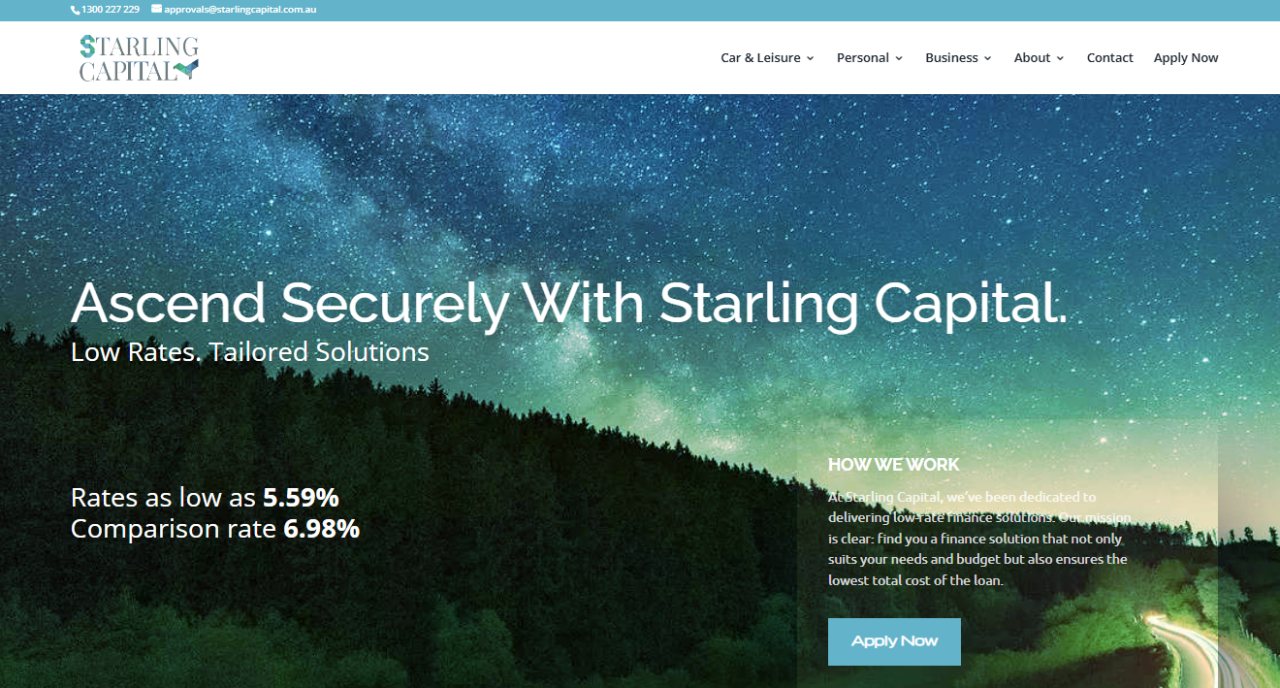
Starling Capital promotes itself as an international brokerage platform offering CFD and cryptocurrency trading through the website starling-capital.org. The project targets retail traders by promising access to global markets, modern trading tools, and diversified investment opportunities. However, a detailed review of the platform reveals a pattern of opacity, misleading claims, and structural weaknesses that strongly suggest the broker operates outside any legitimate regulatory framework.
Company Details
A fundamental requirement for any legitimate broker is full disclosure of its legal identity. Starling Capital fails at this first step. The website does not identify the legal entity behind the platform, does not state a country of registration, and provides no corporate address or registration number. There is also no information about company directors or owners.
This lack of transparency leaves clients without any clarity regarding who controls the platform or where their funds are legally held. In practical terms, it means there is no accountable party if problems arise, which is a common trait of high-risk and fraudulent brokerage schemes.
Regulation and Legal Status
Starling Capital claims to be regulated by the Cyprus Securities and Exchange Commission (CySEC). This claim is presented as a key trust signal but is not supported by any factual evidence. The broker does not provide a license number, does not name the regulated entity, and does not link to any official regulatory records.
In legitimate cases, CySEC-regulated brokers clearly publish their license details and can be easily verified through public registers. The complete absence of verifiable information strongly indicates that Starling Capital is not authorized and that references to regulation are being used solely to mislead potential clients.
Trading Instruments
The platform advertises a broad selection of trading instruments, including forex pairs, cryptocurrencies, equities, indices, commodities, metals, ETFs, bonds, and options. While this list appears comprehensive, it is not accompanied by any technical or contractual details.
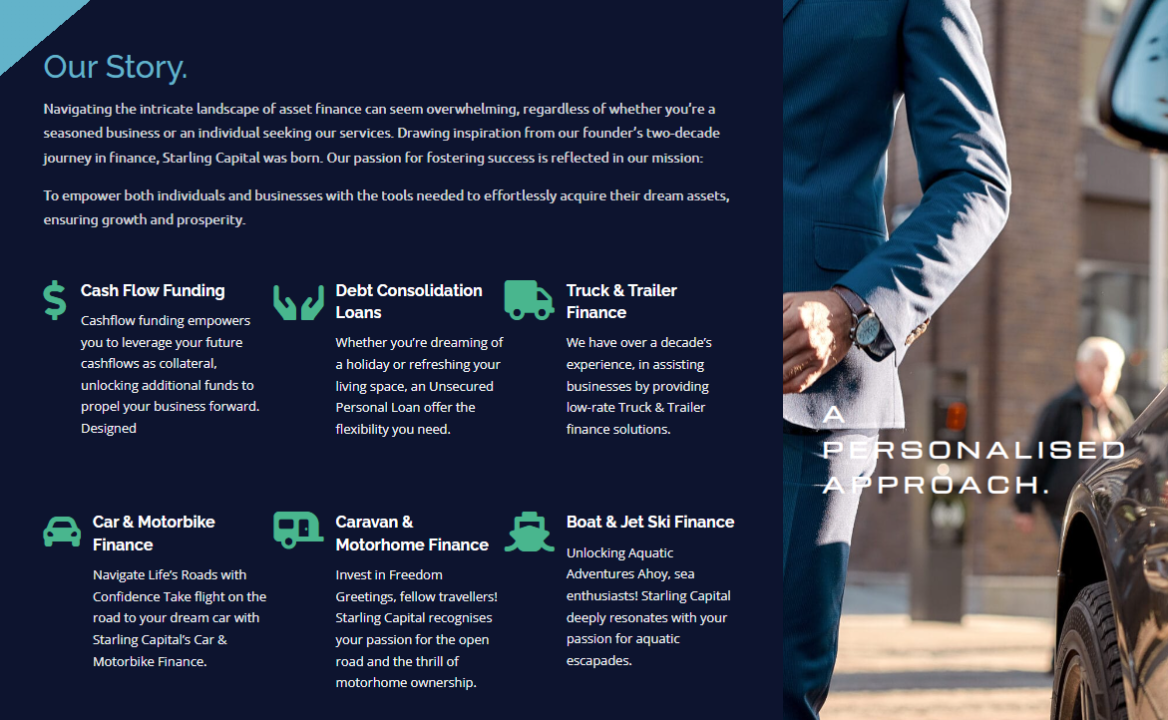
Starling Capital does not disclose contract specifications, trading hours, margin requirements, or pricing methodology. As a result, these instruments should not be interpreted as real market access but rather as internally generated CFD products controlled entirely by the broker.
Claims of Exchange Access
Starling Capital states that it provides access to major global exchanges such as NYSE, Nasdaq, LSE, Euronext, and HKEX. These claims are made without any explanation of how such access is achieved.
Missing disclosures include:
- the order execution model used by the broker;
- liquidity providers and counterparties;
- clearing and settlement arrangements;
- custody of client assets.
Without this infrastructure, genuine exchange access is impossible. In reality, clients are trading within a closed system where prices and execution are set by the platform itself, creating a direct conflict of interest.
Trading Platform
The broker relies on a proprietary web-based trading platform rather than established third-party solutions. This platform operates in a closed environment, with no independent verification of price feeds or execution quality.
Such systems allow the broker full control over:
- displayed prices;
- order execution;
- account balances and trade outcomes.
This setup significantly increases the risk of manipulation and leaves clients with no objective way to challenge unfair trading conditions.
Account Structure
Starling Capital offers multiple account tiers based on minimum deposit levels. However, the broker does not clearly explain the benefits or trading conditions associated with each account type.
Critical information that is not disclosed includes:
- spreads and commissions;
- leverage limits;
- margin and liquidation rules;
- swap and rollover fees.
The account structure appears designed to push clients toward higher deposits rather than to provide transparent or competitive trading services.
Deposits and Withdrawals
Information regarding payment methods, withdrawal procedures, fees, and processing times is not available before registration. Clients are expected to deposit funds without knowing how or when withdrawals can be processed.
This lack of transparency creates significant financial risk, as unregulated brokers frequently use unclear payment rules to delay or deny withdrawals.
Customer Support and Communication
Communication with Starling Capital is limited to an online contact form. The broker does not provide phone numbers, corporate email addresses, or a physical office location. Social media links, if present, are inactive or non-functional.

This communication model minimizes accountability and is typical of platforms that aim to avoid direct contact once funds have been deposited.
Conclusion
Starling Capital displays a consistent pattern of red flags associated with unregulated and potentially fraudulent brokers. The absence of a legal entity and jurisdiction, unsupported regulatory claims, unrealistic statements about exchange access, reliance on a closed trading platform, hidden trading and payment conditions, and anonymous communication collectively indicate a high-risk operation.
Starling Capital cannot be considered a legitimate broker. The platform offers no legal protection, no transparency, and no reliable safeguards for client funds. Any engagement with this broker carries a serious risk of financial loss and should be avoided.
 All Starling Capital Reviews